
Abarth
One Symbol. Many meanings
Abarth is one of the most storied names in the automotive world, evolving from a small racing specialist into a global performance brand under the Stellantis umbrella. Known for its “Scorpion” badge, symbolizing tenacity and power, the company has navigated several distinct eras, moving from raw mechanical performance to its current transition into a high-performance electric brand. Founded in 1949 by Carlo Abarth, the marque has transformed ordinary cars into extraordinary machines, embodying the spirit of speed, agility, and passion. From its humble beginnings in post-war Italy to its modern focus on electrification, Abarth continues to captivate enthusiasts with vehicles that blend compact design with exhilarating power.
Abarth: A Legacy of Performance and Innovation
The Founder: Carlo Abarth
Carlo Abarth, born Karl Abarth on November 15, 1908, in Vienna, Austria, was destined for a life in motorsport. From a young age, his ingenuity shone through—at just 11 years old, he wrapped leather belts around the wooden wheels of his scooter to gain extra speed and outpace older neighborhood kids. By 16, he was apprenticing in engine design and began racing motorcycles, becoming a five-time European champion in his mid-20s.
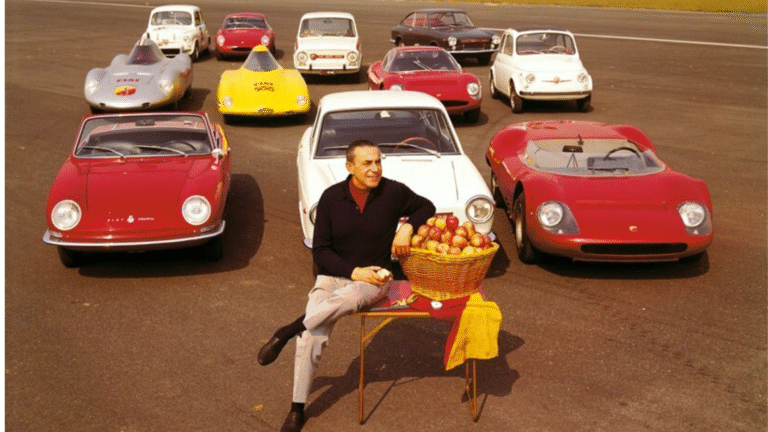
Carlo Abarth 1965 portrait with Abarth race worldrecord & production cars
During the 1930s, Carlo raced for teams like Motor Thun and even challenged the famed Orient Express train on a motorcycle with a sidecar, covering over 850 miles from Vienna to Ostend and beating the train by a significant margin. To escape the turmoil of World War II, he fled to Italy in 1945, settling in Merano, where he adopted Italian citizenship and changed his name to Carlo. There, he collaborated with the Porsche family and joined Cisitalia, a Turin-based racing firm, as a designer and test driver.
Carlo’s career was marked by relentless innovation and a refusal to back down from challenges. In one notable incident, at age 57, he lost 30 kg on an apple-only diet to fit into the cockpit of his Fiat Abarth 1000 monoposto, setting acceleration records in Class G and Class E at Monza. Under his leadership, Abarth achieved 113 of its 133 international records. After selling the company to Fiat in 1971, Carlo continued as a consultant before retiring to Vienna, where he passed away on October 23, 1979.
Founding and Early Years
On March 31, 1949, Carlo Abarth, alongside his friend and racing driver Guido Scagliarini (father of Cisitalia driver Armando Scagliarini), founded Abarth & C. in Bologna, Italy. The company soon relocated to Turin, taking over assets from the bankrupt Cisitalia, including the 204A sports car models, 20 workers, and a facility at Via Trecate 10. These assets were ceded to Carlo in lieu of unpaid wages from his time at Cisitalia.
The first vehicle, the Cisitalia-Abarth 204A Roadster, was based on the Fiat 1100 chassis with a tuned engine featuring two carburetors, producing 62 horsepower. Designed with aerodynamic bodywork by Giovanni Savonuzzi, it bore the scorpion badge on a red and yellow shield from 1950 onward. The 204A quickly proved its mettle, winning the 1100 Sport Championship and Formula 2 titles. Over two years, it secured around 20 victories in road and circuit races.
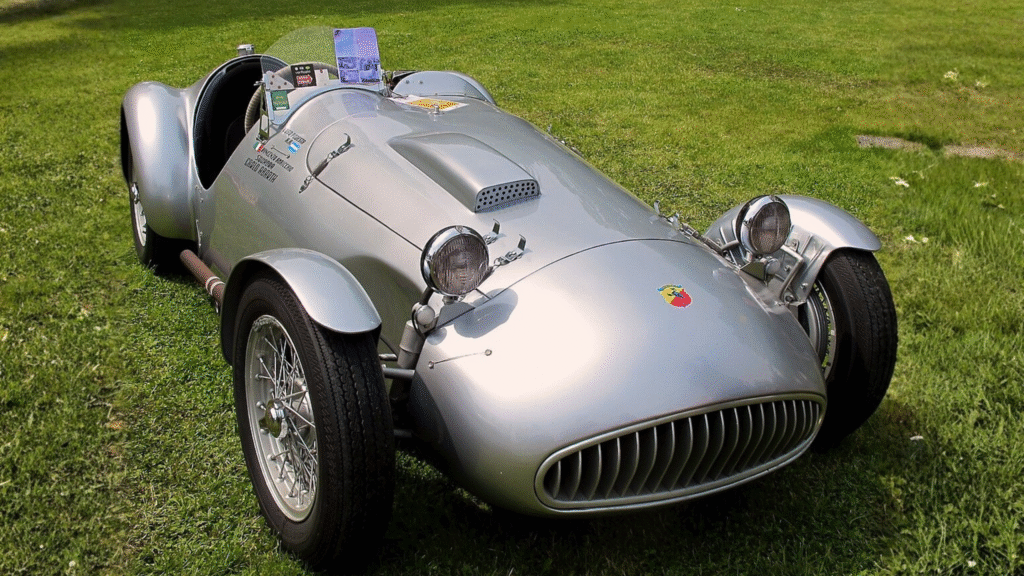
Abarth Cisitalia 204A
A landmark moment came on April 10, 1950, at the Palermo-Monte Pellegrino hill climb, where legendary driver Tazio Nuvolari, in the twilight of his career, clinched a category win and fifth overall in the 204A—his final victory. This triumph ignited the “Scorpion myth” and established Abarth as a force in motorsport.
By the mid-1950s, Abarth expanded into producing tuning kits and iconic exhaust systems, which enhanced performance, power, and speed for standard vehicles. The company grew rapidly, employing 375 people and manufacturing around 300,000 mufflers annually, revolutionizing affordable performance upgrades. Through the 1960s, Abarth dominated hill climbs and track racing, turning tiny Fiat 500 and 600 models into “giant killers” on the circuit.
Racing Successes and Innovations
Abarth’s DNA is rooted in competition, with over 10,000 victories, 133 international records, and dominance in hill climbs, rallies, and circuit racing. Carlo’s philosophy—”transform the ordinary into the extraordinary”—led to groundbreaking innovations, such as conversion kits for Fiat models like the 500 and 600, which set numerous speed records at Monza.
In the 1960s, Abarth excelled in classes from 850cc to 2000cc, competing against giants like Porsche 904 and Ferrari Dino. Drivers like Hans Herrmann and Johann Abt secured wins, including the 500km Nürburgring in 1963. The brand also produced high-performance parts for Porsche and Simca.
The 1970s brought rally glory with the Fiat 124 Abarth Rally, winning European championships, and the Fiat 131 Abarth Rally, which conquered the World Rally Championship in 1977, 1978, and 1980.
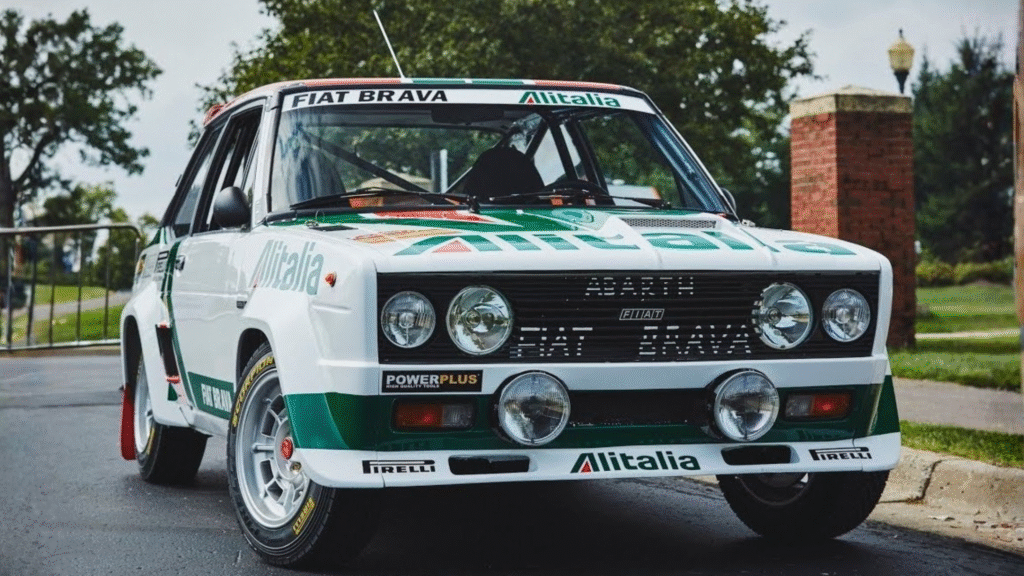
Fiat Abarth 131
Abarth’s tuning kits democratized performance, allowing everyday drivers to upgrade their Fiats affordably, boosting brand recognition worldwide.
Key Turning Points: Ups and Downs
Abarth’s history is a rollercoaster of engineering triumphs and identity shifts:
| Era | Status | Key Event |
|---|---|---|
| 1960s | Up | Dominance in hill climbs and track racing; the “Golden Age.” |
| 1981 | Down | Abarth & C. officially ceased to exist as a separate entity, becoming just a department. |
| 2007 | Up | Re-establishment of the brand with dedicated dealerships and performance kits (Esseesse). |
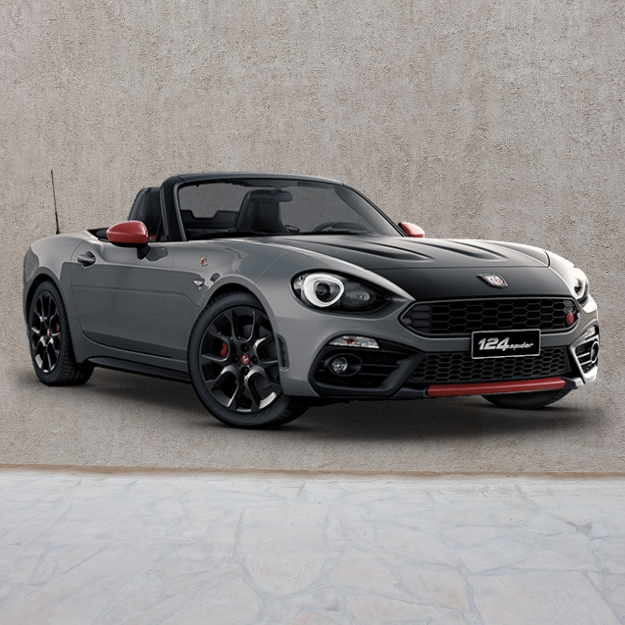
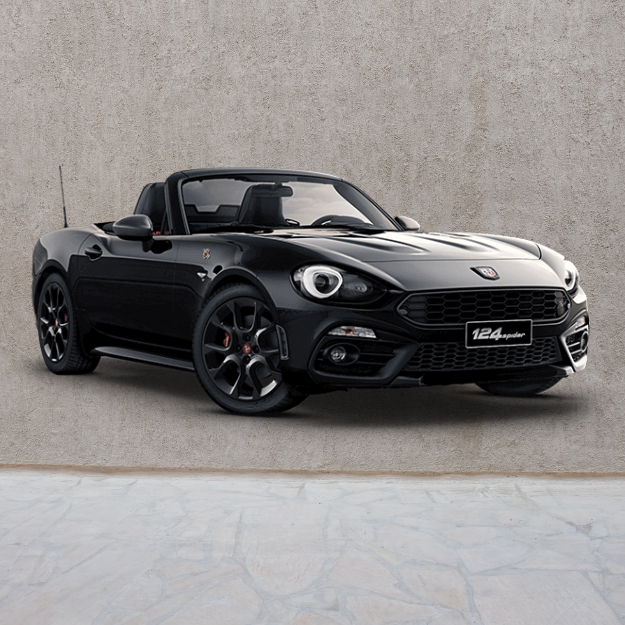
| 2016 | Up | Launch of the Abarth 124 Spider, expanding the lineup beyond hatchbacks. |
| 2024 | Challenge | Discontinuation of internal combustion engines (ICE) in Europe in favor of 100% electric models. |
Iconic Models
Abarth’s lineup spans decades of engineering excellence. Here are some highlights:
- Cisitalia-Abarth 204A (1949-1951): The debut model, a lightweight spider with Fiat-derived power, known for its racing prowess.
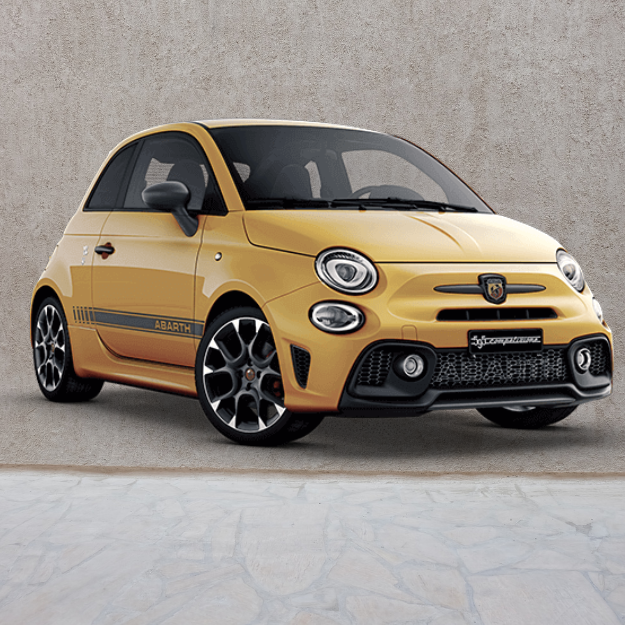
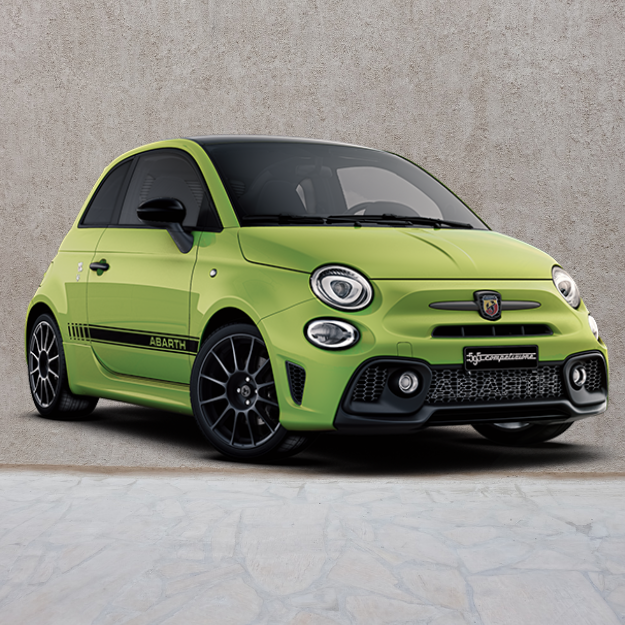
- Fiat 500 Abarth (1958 onward): Transformed the humble Fiat 500 into a pocket rocket, with tuned engines and sporty handling. Models like the 595 Esse-Esse became legends.
- Fiat 600 Derivatives: Basis for record-breaking cars like the 1000 Bialbero Record Pininfarina.
- Abarth 2400 Coupé (1960s): A stylish grand tourer with potent performance.
- Abarth 2000 Sport Tipo SE 010 (1960s): A radical sports prototype for racing.
- Fiat 124 Abarth Rally (1972-1975): Rally champion with a 1.75L twin-cam engine.
- Fiat 131 Abarth Rally (1976-1981): Three-time world rally winner, featuring advanced Group 4 specs.
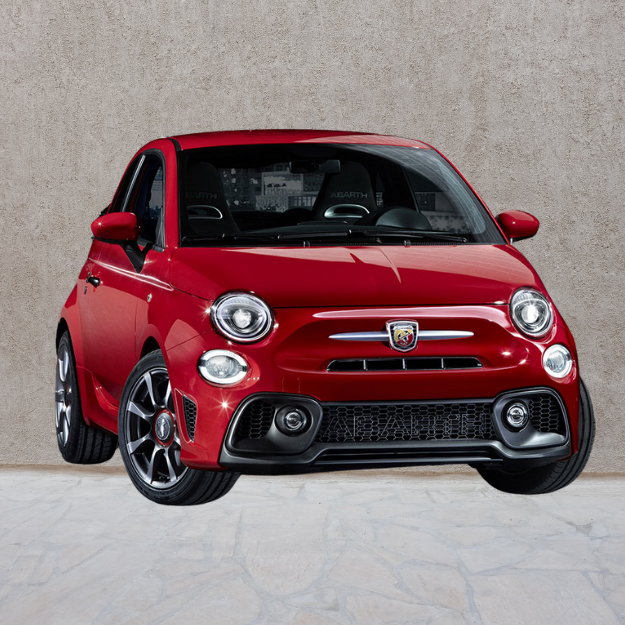
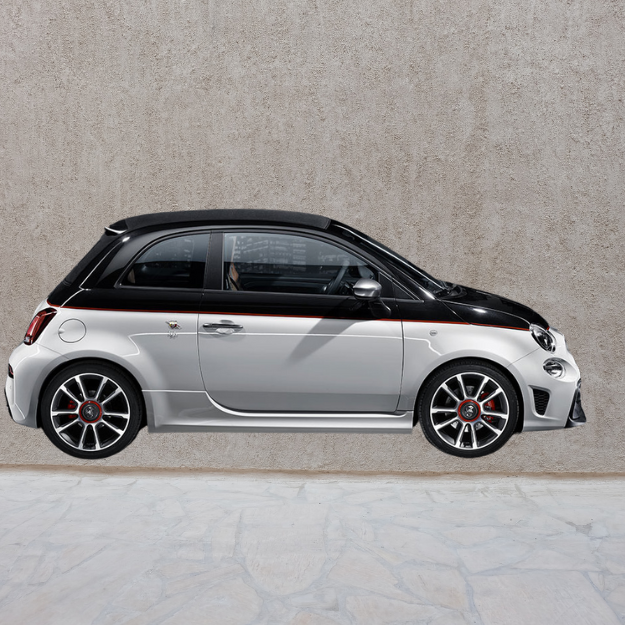
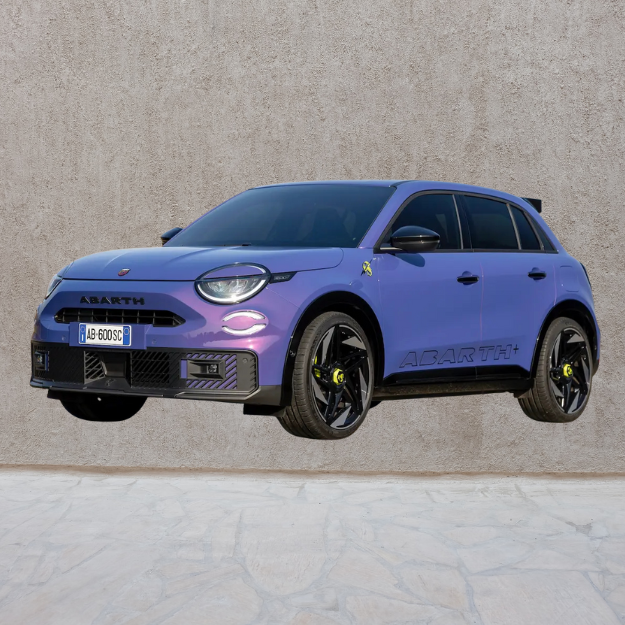
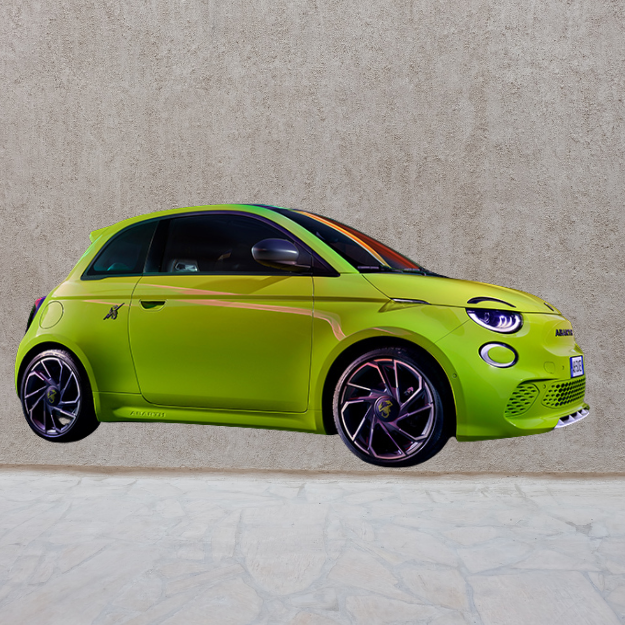
Modern icons include the Abarth 595 and 695 (petrol era), the Abarth 124 Spider, and electrified models like the Abarth 500e and 600e, which offer instant torque and agile handling.
Acquisition by Fiat and Evolution
In 1971, facing financial pressures, Carlo sold Abarth & C. to Fiat for 250 million lire, retaining a consulting role. Abarth became Fiat’s official racing arm, managed by engine designer Aurelio Lampredi. The racing team was sold to Enzo Osella, but Abarth continued preparing rally cars like the 124 and 131, and co-branded models with Lancia and Autobianchi, such as the Autobianchi A112 Abarth.
Through the 1980s and 1990s, this marked a low point—the “Badge” Era—where the Abarth name was often reduced to a trim level or badge on standard Fiat models like the Ritmo or Stilo, without the extensive mechanical engineering of earlier years. By 1981, Abarth & C. ceased as a separate entity, becoming merely a department.
The brand faded in the 1990s but was revived in 2007 as a standalone division under Fiat Chrysler Automobiles (now Stellantis). Based at the historic Mirafiori plant’s Officine 83 in Turin, the relaunch featured the Abarth 500 and Grande Punto, focusing on “small but wicked” performance with dedicated dealerships and Esseesse kits.
Current Market Situation
As of 2026, Abarth is in a critical transition phase, with a niche market share targeting enthusiasts rather than the mass market.
- The Electric Pivot: In Europe, Abarth has shifted away from its legendary petrol-powered 595/695 models, discontinued in early 2025. The current lineup is dominated by the 500e and the larger 600e, emphasizing high-tech electric performance.
- Main Market Countries:
- Italy: Still the heartland of the brand.
- Brazil: A massive growth market where Abarth offers unique, petrol-powered SUV models like the Pulse Abarth and Fastback Abarth, not available in Europe.
- Japan: Abarth enjoys cult-like status, with Japan being one of the largest markets for the 595/695 series globally.
Situation and Demand in the UK
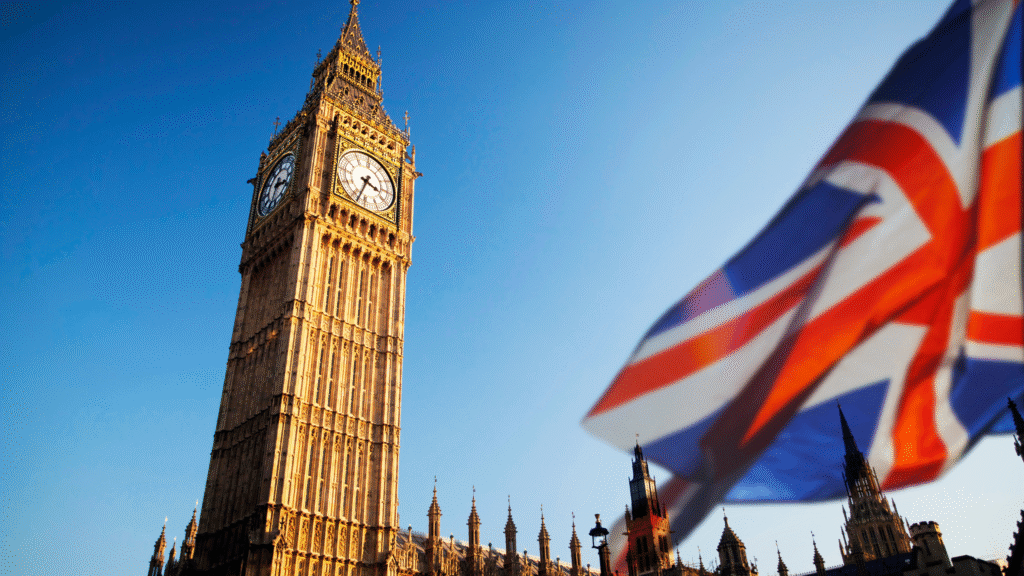
The UK has historically been one of Abarth’s strongest markets, but the current situation is complex due to the electric transition:
- Declining Registrations: Since the discontinuation of the petrol 595/695 in early 2025, sales volumes have dropped significantly. Enthusiasts who valued the raw exhaust note (the “Record Monza” sound) have been slow to adopt the electric 500e.
- The “Vocal” Enthusiast Base: Demand for used petrol Abarths in the UK has skyrocketed as fans look to hold onto the “last of the ICE” Scorpions.
- EV Market Strategy: To stimulate demand for the electric 500e and 600e, Abarth has been aggressive with 0% APR financing and “SME” (Small Medium Enterprise) fleet deals. As of January 2026, major price reductions have been announced, with cuts of £1,890 to £2,990 on Abarth electric models to make the switch more attractive
Pros and Cons of the Current Brand
Pros:
- Brand Heritage: The Scorpion badge still carries immense “cool” factor and racing credibility.
- Handling & Size: Perfect for urban environments; Abarths remain some of the most “parkable” performance cars.
- EV Performance: The electric models (500e/600e) offer instant torque and surprising agility, out-accelerating their petrol predecessors in city driving.
- Exclusive Community: Ownership grants access to a very active global community (The Scorpionship).
Cons:
- Lack of “Soul” (Sound): The transition to EV has removed the trademark exhaust pop and gurgle, which was a primary reason many bought the car.
- High Price Point: Electric Abarths are significantly more expensive than outgoing petrol models, often pushing into the £35,000–£40,000 range, though recent cuts aim to address this.
- Limited Range: With a range often under 160 miles in real-world conditions, they are strictly city cars and impractical for long UK motorway journeys.
- Identity Crisis: The brand is currently split between high-tech EVs in Europe and traditional turbo-petrol SUVs in South America, confusing its global image.
Modern Era and Legacy
As of 2026, Abarth remains a symbol of performance under Stellantis Europe, producing electrified models while honoring its petrol-powered roots. The brand’s heritage is preserved by Stellantis Heritage, offering restoration, certification, and events to celebrate its history.
Abarth’s influence extends beyond cars—its scorpion badge evokes emotion, innovation, and victory. With a philosophy of turning challenges into triumphs, Abarth continues to inspire drivers worldwide, proving that size doesn’t limit speed or spirit. For more, visit the official Stellantis Heritage website or explore Abarth’s current lineup at abarth.com